Your hormonal health influences more than your menstrual cycle. It influences your metabolism, reproductive function and overall well-being.
Polyendocrine Metabolic Ovarian Syndrome (PMOS), previously known as Polycystic Ovary Syndrome (PCOS), is a complex endocrine and metabolic condition affecting multiple aspects of women's health. At BN Health, we take a comprehensive approach to understanding hormonal, metabolic and ovarian health, identifying underlying risk factors and developing personalised care plans for long-term well-being.
Elevated levels of hormones like testosterone and androgen excess affect your menstrual cycle, skin, and neuroendocrine balance.
When your body becomes resistant to insulin, it produces compensation signals that directly impact hormone levels and weight.
Addressing ovulatory dysfunction, cycle irregularity, and follicular development through root-cause multidisciplinary clinical care.
Elevated levels of hormones like testosterone and androgen excess affect your menstrual cycle, skin, and neuroendocrine balance.
Polyendocrine Metabolic Ovarian Syndrome (PMOS), previously known as Polycystic Ovary Syndrome (PCOS), affects approximately one in eight women of reproductive age. PMOS reflects the deeply interconnected nature of hormonal regulation, metabolic function, and ovarian health.
Hormonal regulation, androgen excess and neuroendocrine balance.
Insulin resistance, glucose regulation, lipid metabolism and weight homeostasis.
Ovarian morphology, follicular development and addressing ovulatory dysfunction.
Menstrual regularity, ovulatory function, fertility and preconception health.
Emotional well-being, stress, sleep architecture, and systemic inflammatory risks.
Rather than viewing PMOS exclusively as a reproductive or cosmetic disorder, our clinical care addresses how multiple metabolic pathways interact.
PMOS manifests differently in every woman. Our clinical team evaluates the full spectrum of hormonal and metabolic presentations.
If you’ve been told “this is normal at your age” or “you just need to adjust,” we want you to know that your experiences are real.


Sudden heat, sweating, or chills caused by hormonal changes affecting temperature regulation.
Hormonal shifts slow metabolism and change fat storage, especially around the abdomen.
Night sweats, anxiety, and hormonal fluctuations disrupt deep sleep cycles.
Declining estrogen affects brain chemicals that regulate mood and emotions.
Constant tiredness even after rest, often linked to poor sleep and metabolic changes.
Lower estrogen can increase inflammation and stiffness.



Sudden heat, sweating, or chills caused by hormonal changes affecting temperature regulation.
Hormonal shifts slow metabolism and change fat storage, especially around the abdomen.
Night sweats, anxiety, and hormonal fluctuations disrupt deep sleep cycles.
Declining estrogen affects brain chemicals that regulate mood and emotions.
Constant tiredness even after rest, often linked to poor sleep and metabolic changes.
Lower estrogen can increase inflammation and stiffness.
Polycystic Ovary Syndrome is a hormonal condition affecting how your ovaries work. Despite the name, it's not really about cysts; it's about hormonal harmony.
Elevated levels of hormones like testosterone can affect your menstrual cycle, skin, and hair growth patterns. This is the core of PCOS, but it can be managed with the right approach.
When your body becomes resistant to insulin, it produces more to compensate.This excess insulin can trigger weight gain and signal your ovaries to produce more androgens.
Chronic stress, poor sleep, and processed foods can worsen hormonal imbalances. The good news? These are factors within your control, and small changes create big results.
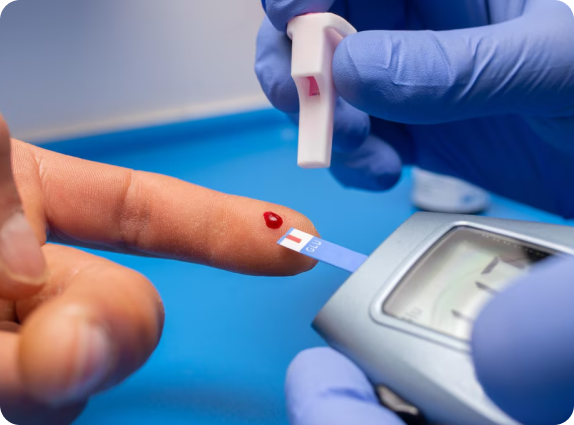
A comprehensive clinical assessment evaluates the endocrine, metabolic, ovarian and lifestyle factors contributing to an individual's PMOS presentation.
| Assessment Domain | Key Clinical Parameters |
|---|---|
| Endocrine health | Total/free testosterone, SHBG, DHEAS where indicated |
| Reproductive hormones | LH, FSH, estradiol, progesterone where indicated |
| Glucose metabolism | Fasting glucose, HbA1c, OGTT |
| Insulin resistance | Relevant metabolic assessment & fasting insulin metrics |
| Lipid health | Lipid profile, ApoB where indicated |
| Thyroid health | TSH and relevant thyroid investigations |
| Ovarian health | Menstrual history, ovulatory function, ultrasound where indicated |
| Nutritional health | Vitamin D, B12, ferritin and other relevant micronutrient markers |
| Inflammatory health | hs-CRP and other relevant inflammatory markers |
| Lifestyle & well-being | Nutrition, physical activity, sleep and chronic stress assessment |
Our four-stage clinical framework ensures care is tailored to your biological profile, not generic wellness guidelines.
Comprehensive medical history, menstrual and reproductive history, endocrine evaluation, metabolic assessment and lifestyle profiling.
Identify individual hormonal patterns, insulin resistance, ovarian and ovulatory concerns, metabolic risk factors and associated health priorities.
Individualised nutrition, exercise, medical management, behavioural support and appropriate therapeutic interventions.
Track menstrual patterns, metabolic markers, relevant hormonal symptoms, body composition and clinical progress through regular follow-ups.
PMOS management cannot rely on isolated medications or restrictive diets. Our physicians, clinical nutritionists, and psychologists collaborate seamlessly.
Physician-led evaluation and evidence-based treatment tailored to individual hormonal, metabolic and reproductive needs.
Nutrition strategies supporting insulin sensitivity, metabolic health and sustainable dietary habits.
Individualised resistance training, aerobic exercise and physical activity planning matched to energy levels.
Support for stress, emotional health, body image concerns and sustainable behavioural changes.
Targeted strategies to improve restorative sleep quality, circadian rhythm, and adrenal stress regulation.
Periodic clinical assessments and tracking of relevant hormonal, metabolic and lifestyle parameters.
Every woman’s hormonal & metabolic journey is different.
Our evidence-informed screening helps identify your specific patterns and builds a personalized clinical path forward.
Effective long-term PMOS management requires more than a one-time diagnosis or isolated laboratory results. Continuous monitoring helps evaluate clinical response and adapt the care plan according to your evolving biology.
Expert-written content to help you understand your body and support long-term health.

No extreme diets. Just balanced, sustainable changes.

Simple, balanced recipes designed to support your health — without compromising on taste.

A high-protein pancake made from moong dal and oats, perfect for managing blood sugar levels.
A nutritious bowl of quinoa and vegetables designed to keep you full and energized.
A wholesome wrap filled with protein-rich paneer and fiber-packed veggies.
A high-protein pancake made from moong dal and oats, perfect for managing blood sugar levels.
A nutritious bowl of quinoa and vegetables designed to keep you full and energized.
A wholesome wrap filled with protein-rich paneer and fiber-packed veggies.
These women were where you are now. Today, they're thriving — and so can you.

Sneha from Pune, Maharashtra, is a true example of resilience and determination. With our Intermittent Fasting program
Read more...
Raichura Bhavika joined our 90-day Weight Loss + program. She lost 12 kg in 90 days.
Read more...
Kritika is a 34-year-old working woman from India who maintained her results successfully.
Read more...Explore clinically designed nutrition programs tailored to your health condition, lifestyle, and goals – built to support long-term results, not quick fixes.
Manage PCOS, Endometriosis & infertility with our holistic programs.
Re-Energise, Rejuvenate & Rehydrate for complete body balance.
Low-fat meals + 30-day fitness plan for sustainable fat loss.
Manage PCOS, Endometriosis & infertility with our holistic programs.
Re-Energise, Rejuvenate & Rehydrate for complete body balance.
Low-fat meals + 30-day fitness plan for sustainable fat loss.
Clear, evidence-informed answers to guide your hormonal and reproductive health journey.
Every woman's hormonal and metabolic profile is different. Understand your health, identify individual priorities and work with our clinical team to build a personalised care plan.
Personalised assessment • Evidence-informed care • Integrated clinical management